Yacht Motor Encapsulation Protection
As the core power component of small vessels, yacht motors operate continuously in complex marine environments characterized by high salinity, high humidity, intense ultraviolet radiation, persistent vibration, and extreme temperature fluctuations. The encapsulation and protective performance of motor harnesses and connectors directly determines the operational stability of the propulsion system and the safety of yacht navigation. Traditional encapsulation approaches often suffer from issues such as UV-induced aging and cracking, salt spray corrosion, and wire detachment caused by vibration. High-performance encapsulating materials can specifically address these challenges in marine conditions, providing reliable, long-term protection for yacht motor systems.
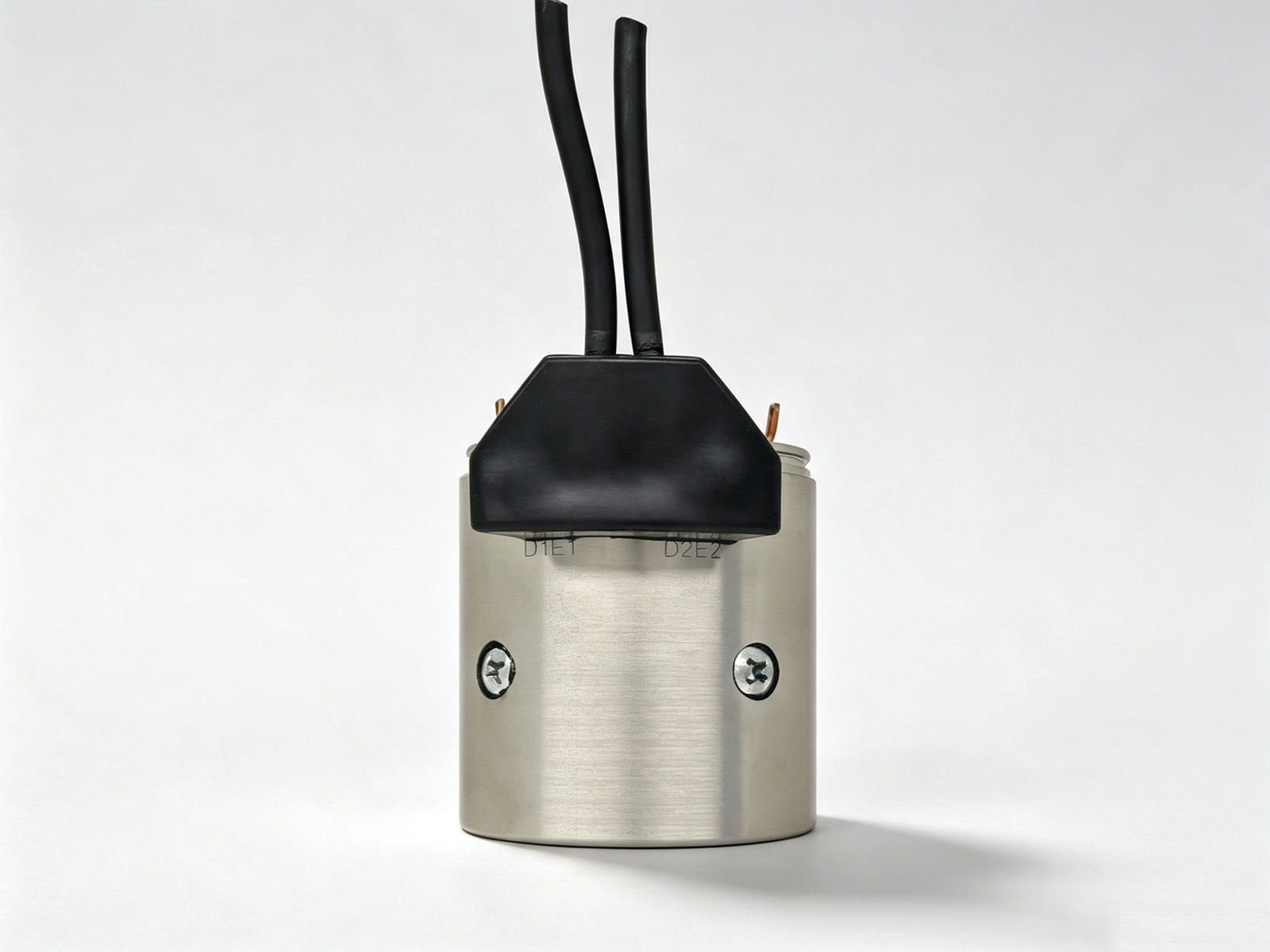
OurKey Advantages
- Excellent weather resistance and UV durabilityThrough rigorous UV resistance testing, it can withstand prolonged exposure to intense offshore ultraviolet radiation without risks of aging, yellowing, or embrittlement, maintaining consistent performance even in long-term outdoor marine use.
- High-flexibility shock-absorbing protectionWith outstanding elasticity, it forms a highly resilient cushioning layer upon curing, effectively absorbing continuous vibrations, mechanical impacts, and shock stresses during yacht navigation, safeguarding motor harnesses and connectors from physical damage and preventing issues such as wire breakage or poor contact.
- High-temperature resistance and broad thermal adaptabilityBoasting superior heat resistance, it seamlessly adapts to the high-temperature conditions within yacht engine compartments as well as extreme outdoor temperature variations, maintaining stable mechanical and sealing properties across a wide temperature range of -40°C to 140°C without delamination or cracking due to thermal expansion or contraction.
- Highly reliable sealing and anti-corrosion protectionIt achieves complete encapsulation of motor harnesses and connectors, effectively isolating seawater, salt spray, moisture, dust, and corrosive marine agents, thereby preventing metal contact oxidation, short circuits, and insulation failure, significantly enhancing the electrical system's corrosion resistance and service life.
- Adaptation to complex marine engineering conditions:Fully compatible with the harsh marine and offshore engineering environments characterized by high salinity, high humidity, severe corrosion, and intense vibration, meeting the long-term reliability requirements of propulsion systems in yachts, small vessels, and nearshore operation equipment.
Recommended Products
More Solutions